
Horsefeetback®
The new hoof care and horse understanding for horse owners, hoof care workers, therapists and veterinarians
What is Horsefeetback®?
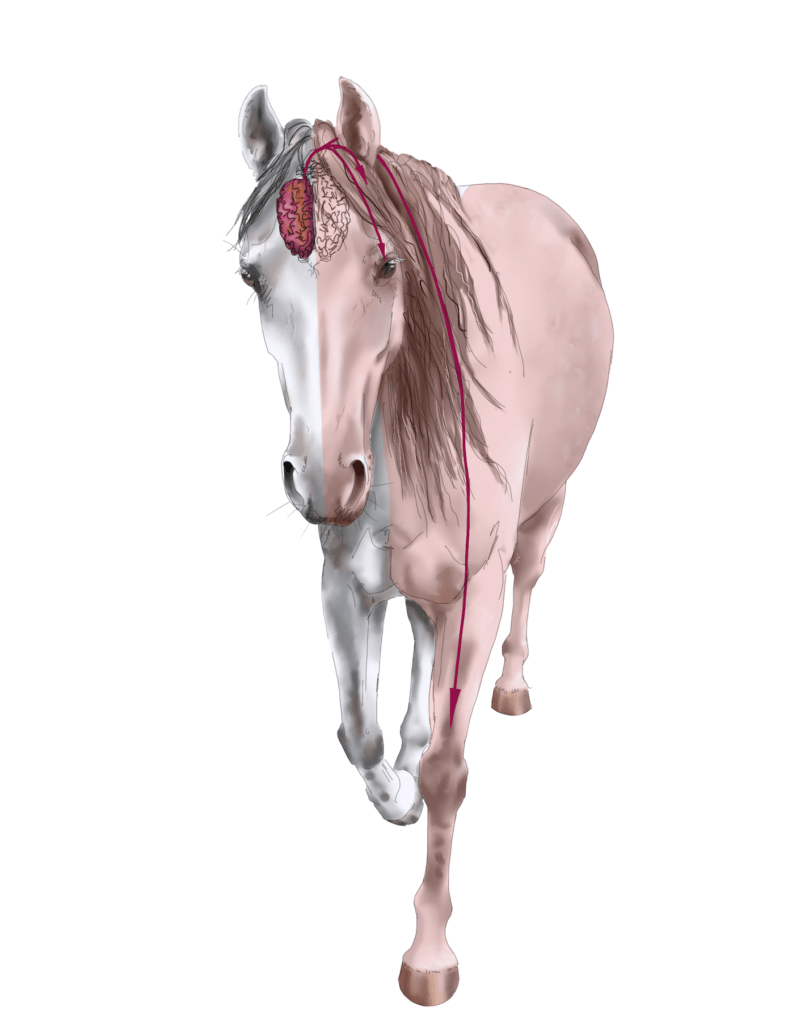
Read your horse about the feedback of his hooves and strengthen it mentally. This is the idea of Horsefeetback®. This concept is based on the following basic understanding:Hufe and psyche have to stabilize each other.To achieve this goal formulated Horsefeetback®
- 10 Rules of Communication
- 10 exercises to strengthen self-confidence
Remove the Hufcode
As a hoof care worker you have the greatest influence on hoove, anatomy and movement patterns of the horse. ThereforeHorsefeetback®
- 9 Principles for a new hoof care understanding and for hoof care care
Horsefeetback® opens up new perspectives and gives you digital instruments. The Global hoof care Database serves as the basis,a pioneering international platform for digital hoof care analysis.
Principle 1
Horse balance does not arise due to the individual balance of allHusk
The balance of the horse does not result from the purely structural balance of individual hooves. “Pferdebalance” results from the interaction of all hooves with the body and mind of the horse! We must rethink the concept of balance and resolve ourselves from the individual consideration of the hoof care. Individual hooves may also be in a non-symmetric structure if they strengthen the horse physically and mentally.
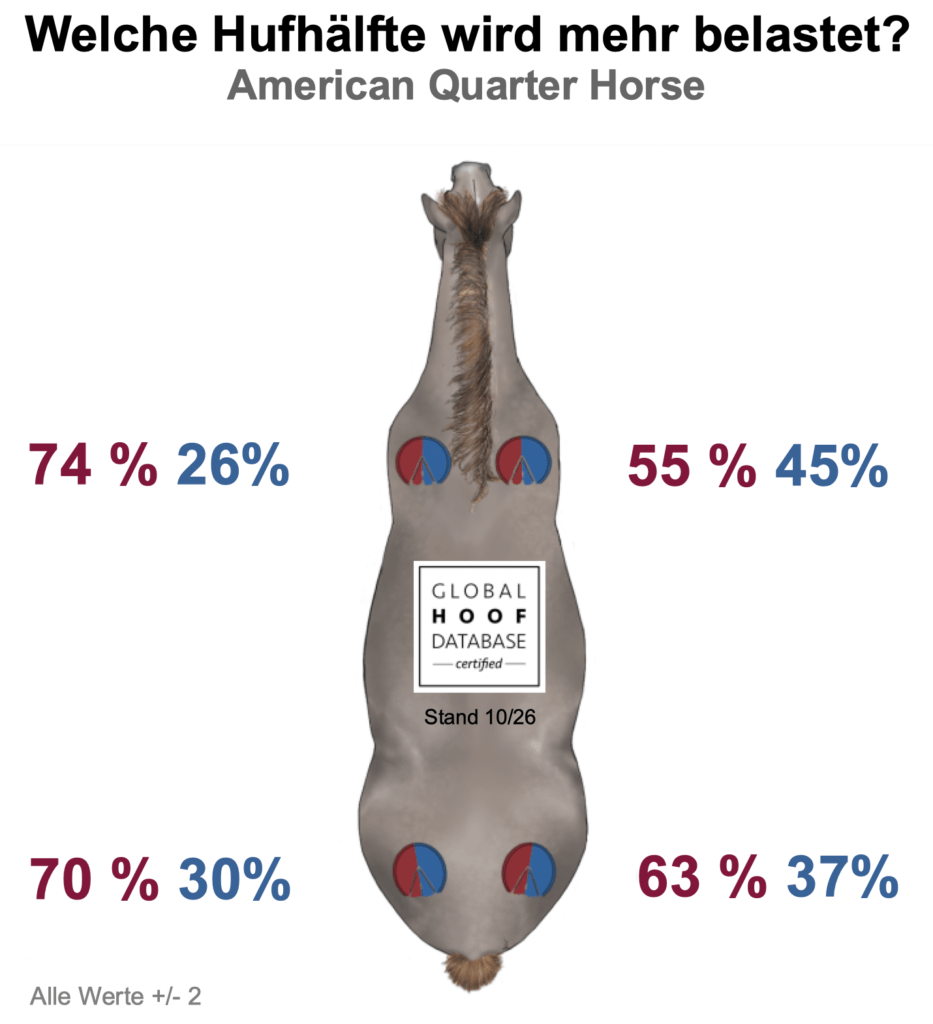
Example American Quarter Horse
Data class:
Established data
Vulnerabilities compared to the general racial average:
None
Gender:
Stuten: HR: 69/31
Explanation:
Quarter Horses are more muscled and show a “quadratic” backhand. At Stuten, the basin is built wider toto be able to carry a foal and bear.The suspension of the rear legs is thus further apart from Stuten: The horse, however, is often narrower in the hoof care area, which often causes an x-bending. This leads biomechanically to the leg being bent inward in the loading phase and more pressure is exerted on the inside of the hoof care.In addition, hormones additionally soften the pelvic band apparatus in mares. A follicle formation can also often generate a periodically one-sided voltage in the lumbar area.If the natural slate is reinforced, mares roll over the inner wall of the right hoove.
Hufpraxis American Quarter Horse
Because the leg HR can bend inwards in the loading phase due to the wide pelvis and the X-being, the hoof care HR does not strike the ground completely flat, especially since an X-being is often associated with a grazing gear.The link chain forces the hoof care into an oblique load.The hoof care is deformed over time to provide this sloping load with a maximum support surface – it is createda functional hoof care slate.
If you were to try to work this hoof care straight and symmetrically, this puts the ten joints under tension. The basic receipt of this slate therefore ensures that the joint gapsduring loadremain in parallel and under pressure.
Therefore, during processingMaintenance of Compensatory Hufschief HRnote. These also include possible compensatory levers on the inside HR, because diese levers on the inside are the attempt of hoove,to create more width inwardto catch the leg's kink. You mustare controlled and processed.
In addition: receiving support rail length HR. The outer splint keeps the hoof carebone and the link chain off,still furtherto break away inwards. Recently, the outer spruce HR was too strong in order to adapt it optically to the inner spruce, the entire leg would be moved more strongly into the X-bending and overload. Onesmall! (corresponding to the best practice value of 15%)longer outer spruce begins the hormonal and anatomical instability.The increased load on the inner side HR is also compensated by a stronger introduction of HL.
Best Practice Value (BPW):
HR: 15%
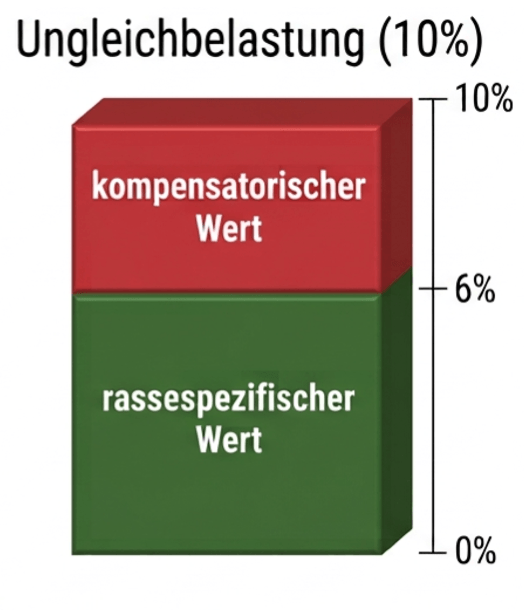
Ratio: 10%
Share of people(compensatory): 5%
(if horse shows this pattern, value rounded)
Dates Horsefeetback® 2027
Exciting workshops await you. We will treat many important topics around the horse – from training to wearing exhaustion tofor practical hoof care processing for self-slip, but also for professional hoof care workers.
23–25.07.2027: 67071 Ludwigshafen
10–12.09.2027: 88699 Frickingen (Bodensee)
24–26.09.2027: 52428 Jülich
12–14.11.2027: 26655 Westerstede
Course hours: 9:00 to approx. 5:00 pm
Course of workshops
Tag 1: Theory online – Introduction to the concept Horsefeetback®
On the first day we devote ourselves to the theoretical foundations. You can find out exactly what is behind Horsefeetback® and how the psyche and the personality of the horse influence the overall image. In addition, we are deeply entering the Hufcode and the Global hoof care Database to establish new principles for your hoof care understanding and daily hoof care care.
Day 2: Local practice – Horse analysis
Morning: Horse and body
In this part we jointly determine anatomy, slate and wear exhaustion. The following are detailed gear analyses and the determination of elite aspects.
Afternoon: Horse and Hufe
Here the entry into the hoof care care practice succeeds. We conduct classic and digital hoof care analyses and learn to detect different hoof care patterns safely. For the elaborate hoof care patterns we establish links to slate, one-sidedness, psyche and wear exhaustion.
Day 3: Local practice – Horsefeetback® hoof care treatment for horse owners and professionals
Specialisation for advanced and professional
Exclusive access to the Global hoof care Database
Practical example Horsefeetback®
Race-specific and different costume lengths
Step 1: “Best-Practice” from the Global hoof care Database
Step 2: Apply this value for the length of the track.
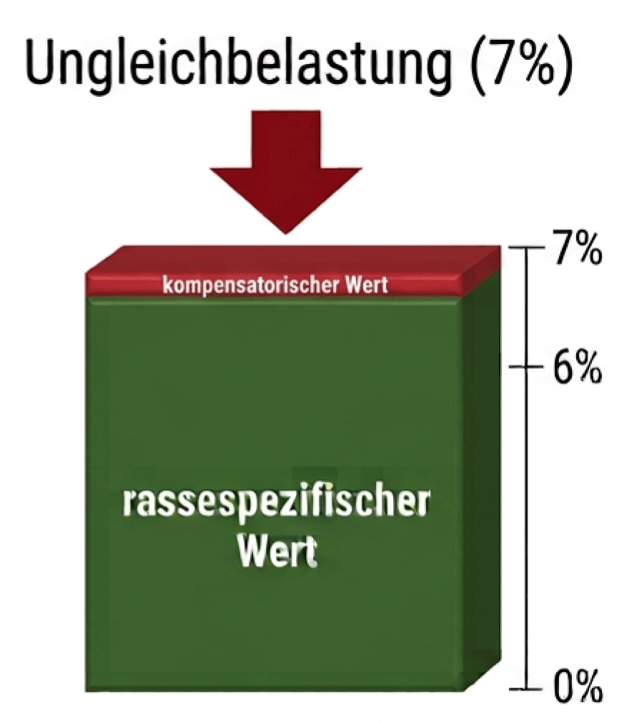
Result: overall stability
Two. Compensatory value, through human influence (e.g. 4 %)
Reduce unfavorable hoof care load
Causing man
Man optimises
- 10 Rules of Communication
- 10 rules to strengthen self-confidence
- 9 Principles of hoof care care
The hoof care code: Your key to a better hoof care and horse understanding
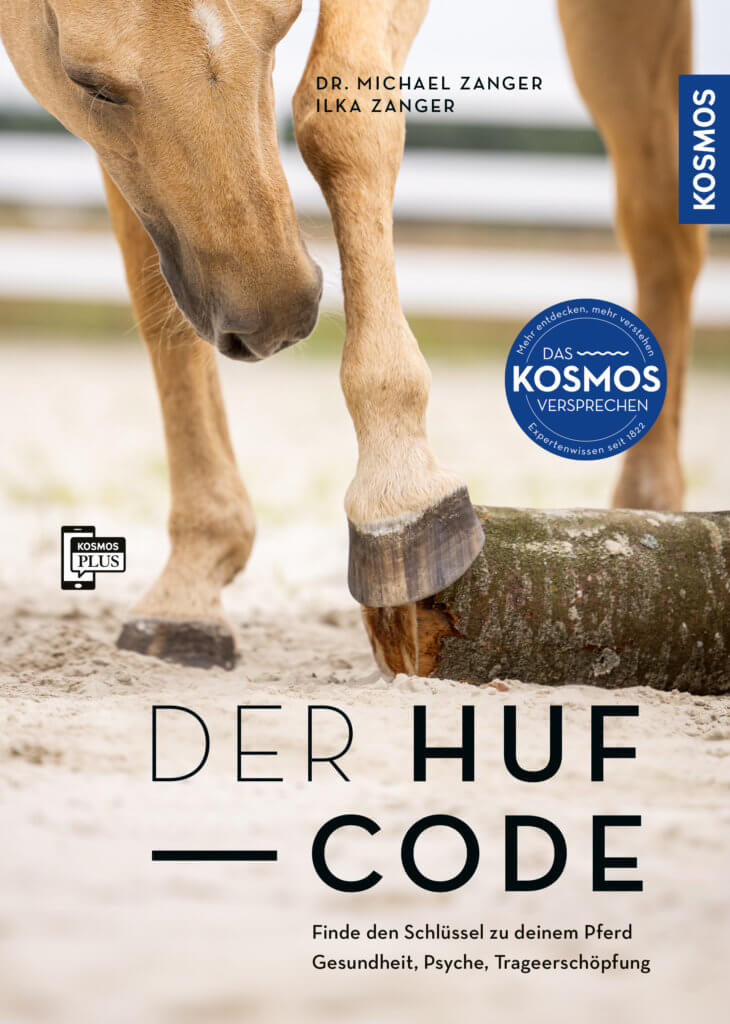
As a participant of your first Horsefeetback® workshop, you will receive our book “Der Hufcode” for free.
It describes the basics of the concept and for the first time combines all the relevant topics in an overall view.
It also explains the structure of the hoof care code and paves the way for a new hoof care understanding.
You already own the book? A discount on the course costs is unfortunately not possible, but you can take your free copy at the workshop as a gift for friends or stable colleagues!”
Your way to the Horsefeetback® Trainer
You have successfully completed your training as a hoof care nurse, hoof care technician or hoof caresmith at any school or institution? With our workshops you can further qualify. Use the chance to add a professional stand: Build your own business as a more certifiedHorsefeetback® Trainerand accompany horse owners on their way to a new horse and hoof care understanding.
Certified Horsfeetback® user
You haveat a workshopparticipation. As a user you get access to the breed data of theQuality level“Established data”the Global hoof care Database.
Horsfeetback®-Traineanwärter
You haveat two workshopsparticipation. For a horse, you then add a hoof care pattern analysis. If she's true, you'll be a trainer. As a trainer, you can ask questions about the breed data of theQuality level “Consolidation data”.
Horsfeetback® Trainer
You haveat three workshopsparticipation. At the third workshop, you have worked as a co-trainer and successfully teach a theory unit there and conduct a case analysis. You can nowown Horsefeetback® workshopsin cooperation with the LTZ. You receive a correspondingCoach license.
Your advantages as a certified Horsefeetback® Trainer
- Organize your own events:You get the exclusive license to plan, design, and successfully carry out the pioneering Horsefeetback® workshops.
- Caps from full data creation:Get direct access to the comprehensive breed and combination data of the Global hoof care Database (GHD) – your digital lead for practice.
- Set standards:Always be one step ahead of competition: With the exclusive, fact-based knowledge of the GHD, you can access insights that are nowhere else. You're not just up to date, you set the standards!
- Welcome to the circle of LTZ-Besten:As a coach, you will automatically become a member of the LTZ Elite Hub and enjoy first-class privileges as well as a strong network that pushes you.

Preliminary programme
10:00 – 12:00
(Dr. Michael Zanger)
(Sarah Pfaffenbach)
(Elena Buschmann)
(Ilka pliers)
13:00 – 16:00
(Simone Lübbers)
Change to live plans with speakers online
On the riding ground: Detect tragedy (S.Pfaffenbach)
In the stable: Determine nutrition (E.Buschmann)
On the riding ground: strengthen horses (I. Zanger)
In the stable: hoof care care according to new principles (C. Speck)
Final round with live chat for your questions!